
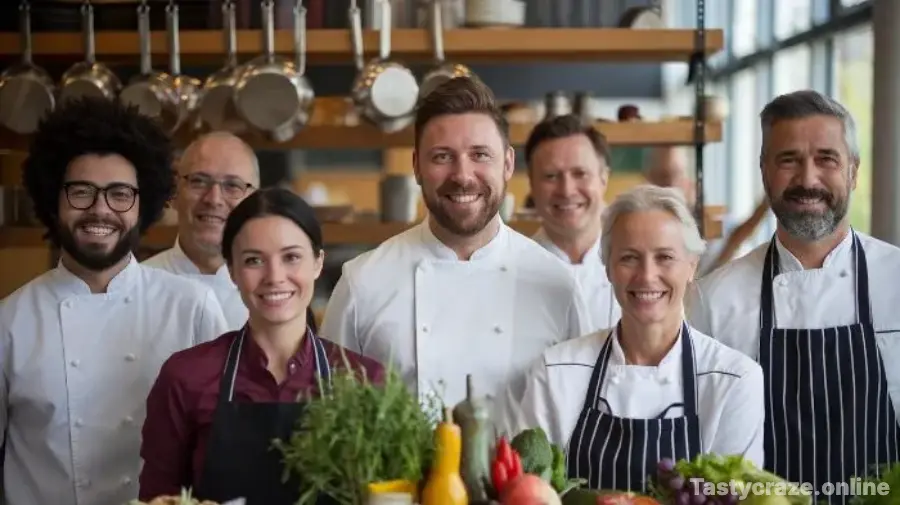
Ever tried any dish of food that seemed like a story? Flavor that transferred you instantly to your grandmother’s kitchen? Food is more than just fuel. It is memory. It is culture. And today, there are a special group of culinary pioneers that are on a mission.
They are dedicated to bringing old recipes back to life. These chefs do not simply cook. They are reaching back into our past-as a culture, as a people and re-telling our history that has been forgotten by some, one plate at a time.
This movement is of immeasurable significance. We live in a world of fast food. Many traditional meals are dying out. But these chefs are fighting back. Avid restaurateurs are restaurant detectives. They dig through the old books and family journals. They listen to the stories of their elders.
What these people are doing is that they ensure that the food our ancestors used to eat is not lost for all time. It is an epic and sweet exploration of our origins.
Discover global flavors with The Rise of Fusion Food Trends in 2025, stay healthy during fasting with Nutritionist-Approved Ramadan Meal Plans for Busy People, and learn to balance taste and wellness in How to Eat Clean Without Cutting Flavor.
The Heartbeat of Heritage Cooking
Why does this matter so much? Because all old recipes contain a part of our identity. It tells us who we are. It shows us where we came from. The preservation of these culinary traditions is what is called heritage cooking. It’s really about knowledge about the techniques and the ingredients that our ancestors used.
These dishes tend to connect us to our families. Think of a special meal that is eaten during a holiday. Somehow that dish has been passed down for years. And each generation adds a little bit. But the essentials of the recipe are still there. It is a thread of connection with the past. When an old recipe is resuscitated by a chef, it is that thread that continues to be brought back for all of us to experience.
Why Are Recipes Forgotten?
Sadly, much of the recipes just die off. This occurs for a number of reasons. Modern life is busy. People often don’t have the time to cook complicated meals. A trigger for this situation is also the rise of industrial agriculture. Unique, local ingredients become more difficult to come by. They are replaced by standardized crops. As people move to new countries, sometimes they break from old food traditions.
“To lose a recipe is a loss of possession of a small piece of your family’s soul. “To find it again is to get some piece of yourself back.”
Let us examine a few of the reasons that are common.
| Reason for Recipe Loss | Description | Impact on Culinary Traditions |
|---|---|---|
| Industrialization | Mass-produced food is cheap and convenient. | Unique, regional cooking methods and ingredients are abandoned. |
| Migration | Families move and lose access to native ingredients. | Recipes are adapted or completely forgotten over generations. |
| Loss of Knowledge | Recipes were not written down, only passed orally. | When an elder passes away, the knowledge is lost forever. |
These factors make a silent crisis. Loss of Experience: We are on course of losing one of our libraries of flavors and story. But these chefs of this movement are our librarians. They are our historians. They are bringing these “forgotten dishes” to the forefront again.
The Modern Culinary Archaeologists
Our goal is to have archaeologists studying food called “culinary archeologists.” They are a rather diverse group of chefs, historians and home cooks. They share a common passion. They want to find out the tastes of the past. Their work is artists and scientists. It takes patience, research and a lot of taste testing. Let us know a few of these pioneers.
Chef Elara Vance and Ian enjoy Coastal Kitchens
Chef Elara Vance was raised around the coast. Growing up, it was her weak bowls with odours of saltwater and fresh seafood. Her great-grandmother was well known for her seafood stews. But the recipe was never put on paper. It was a collection of “a little of this” and “a pinch of that.”
After her great grandmother passed, no family stew. Elara was heartbroken. This personal loss produced a professional mission. She decided to devote her career to reviving old recipes. She had begun with her own family. She interviewed older relatives. She constructed evidence about the lost stew.
The Problem of Historical Ingredients
Elara’s first challenge is to find the right fish. Modern fishing has altered the ecosystem of the local. The types of fish she used were rare now, her great-grandmother used. She had to work with small, sustainable fisheries. She had to find fishermen who understood the history of cuisine as much as she did. This search for authentic ingredients is one gigantic part of the revival process.

Redesigning Based on the Modern Tastes
After months of trial and error she did it. She recreated the stew. It was not an exact copy. It couldn’t be. But the spirit was there. The taste they had meant the story of her family and her coast. Elara now serves a version of this dish at her restaurant.
She educates others about the importance of food preservation and rich food history. She proves that old recipes can be simultaneously historic and new.
Catch up on viral bites in Top 10 TikTok Food Trends You Must Try in 2025, explore local delights through How Lahore Street Food Defines Its Nightlife, and uncover hidden gems in Exploring Street Food Gems Around Lahore.
Marcus Cole’s Prairie Harvest
On the other side of the country, Marcus Cole takes a look at the food of the prairies. He specializes in Native American and early settler food. His work is intimately related to the land. He forages for wild plants. He uses grains that have been grown in the region for centuries. His journey is about coming to understand the landscape by its food.
Marcus feels we have lost touch with nature. Our food comes from giant faceless farms. We do not know the story behind our meal. By recreating heirloom recipes he is re-establishing that connection. He teaches open fires cooking classes. He shows people how to use ingredients that they can find in their own backyards.
Ingredient Revival: A Comparison
The work of such chefs often involves finding replacements for ingredients that are no longer available or have changed over time. The following table gives examples of some common ones.
| Historic Ingredient | Modern Challenge | Creative Substitute/Solution |
|---|---|---|
| Lard (from pastured pigs) | Modern lard has a different flavor/texture. | High-quality leaf lard from heritage pig breeds. |
| Wild Game (e.g., Passenger Pigeon) | Extinct or protected species. | Sustainably raised game birds like quail or squab. |
| Unpasteurized, Raw Milk | Health regulations and availability. | Low-pasteurized, non-homogenized milk from local dairies. |
| Heirloom Wheat Varieties | Replaced by high-yield modern wheat. | Sourcing from specialty farmers who grow Turkey Red or Einkorn. |
This care taking process of substitution is key. It enables the chefs to preserve the integrity of the dish and adapt it to the world today.
The Tools and Techniques of Revival
So, how exactly do they do it? The process of reviving old recipes is detailed. It is part detective work, part science experiment and part artistic expression. It goes way beyond the need to read a recipe card.

From Dusty Tomes to Digital Databases
The starting point for the hunt, often times, goes through archives. Chefs and food historians spend hours in libraries. They search through community cook books of the 1800s. They have read personal diaries and letters. These documents give us some clues for what people ate. Sometimes, the instructions are very vague. A common phrase is the “uncooked until it feels right” way.
So here is where the hard work begins. The Library of Congress for instance holds an amazing collection of historical cookbooks. You can look for some of their digitized collection to see what these chefs are up against. This deepest venture into culinary history is the base. It gives them outlining the trajectory of their kitchen experimentation. They utilize these resources to learn about the situation of the food.
Reverse Engineering a Taste
Once a recipe is found the testing begins. The chef has to become a food scientist. They need to be able to translate old measurements. What the heck was “a lump of butter the size of an egg” really? They have to deal with changes in ingredients. Flour today is different in protein content. Ovens are now much more precise than the wood fired stove.
This is a process which involves a lot of failure. A dish might be too salty. It might be too dry. But each failure is a lesson. The chef makes modifications to the recipe bit by bit. They are trying to capture not only the taste, but the feeling of the original dish. It’s a slow road and is a satisfying one.
“You aren’t only recreating a dish, you are resurrecting a conversation between the land and the people who lived on it.”
The process can be conceived as a cycle.
The Recipe Revival Cycle
- Discovery: Rediscovery of a long lost recipe in the course of an archive exploration, a family book or an oral history interview.
- Research: Learning about the history of the food, ingredients and cooking methods
- Sourcing: Finding authentic/right substitute ingredients. This frequently entails creating connections with the local farmers and artisans.
- Testing & Iteration: Trying out in the kitchen to put the old recipe into a new format that will work This is something that may take dozens of attempts.
- Finishing: Adjusting the flavor, texture, and appearance for the modern market’s liking
- Sharing: Serving the dish and most importantly sharing this story with either diners or readers or students.
This cycle demonstrates the dedication that is required. It is a labor of love that is much beyond following instructions.
The Impact on Our Food System
The movement for reviving old recipes is about more than the creation of interesting restaurant menus. It has an actual and positive impact on our food system and our communities. It makes us reconsider the way we consume.
Championing Heirloom Recipes and Biodiversity
Industrial agriculture focuses on a few high-yield crops. This has led to a massive loss of biodiversity. When a chef demands an heirloom tomato or an ancient grain, they create a market for it. This work is supported by global initiatives like the Ark of Taste, a project that catalogs endangered heritage foods to save them from extinction. This encourages farmers to plant these old varieties again, preserving our culinary history.This is driving farmers to plant these old varieties once again. This is important to maintain a diversity in the genes of the foods we eat. This makes our food system more viable. It is also responsible for bringing incredible new (or old) flavors back to our tables. Supporting heirloom recipes is supporting a healthier planet.
A Bridge Between Generations
This movement also helps to strengthen the bonds within communities. Traditional foods cooking workshops are community bonding activities. Grandparents will be able to contribute their knowledge to younger generations. It allows for the space of narrative and human relating.
A family having dinner that their great-great-grandparents might have enjoyed will start a conversation. It develops a sense of pride in their heritage. It reminds it to us that we are all part of one long and un-interrupted story. Food becomes the arch that stands between the past, present and future. It is a powerful tool for cultural preservation.
The Future of Our Past on a Plate
So the work of these revivalists is a beautiful act of preservation. They are making sure the tastes of our forebears are not forgotten. In so doing, they remind us that food is a powerful cultural artifact. It is just as important as any painting or piece of music. Their dedication to bringing old recipes back to life is a gift to us all.
So, next time when you are trying a unique and historic dish in the food take a moment. Consider the process that that dish has undergone. Just think about the chef who spends much time doing research and testing it. You are not just eating a meal.
You are tasting history. And also, maybe it will inspire you. Maybe you are known in your family for a forgotten recipe. It is quite possible that it is time to dust off that ancient old notebook and embark on your own wonderful adventure into the past.

Sharpen your cooking game with 7 Common Kitchen Mistakes You’re Probably Making, save energy using 10 Kitchen Hacks That Save Time & Gas, and grow your food brand with How to Market Your Bakery on Instagram.
Frequently Asked Questions (FAQs)
What is heritage cooking?
Heritage cooking is the practice of preserving and preparing food in traditional recipes and methods preferred by a particular culture, country, or family. It focuses on authenticity and history.
Where can I find old recipes?
You will find them in old family cookbooks, community recipe collections, in historical archives, or even in letters/diaries. Electronic digital repositories can also be a great tool.
Why are heirloom ingredients important?
Heirloom ingredients retain biodiversity while possessing unique tastes which are not known from today’s mass-produced ingredients. Research supports healthy food when it comes to a more sustainable and resilient food system.
How can I start reviving my family’s recipes?
Start with conversing with the elderly. Ask them about the foods that they remember their childhood. They may tell you about a story or how to do things, write them down. Do not hesitate too much in the kitchen!
Is it difficult to cook old recipes?
It could be difficult because of vague instructions and varied ingredients. However, the process is very rewarding. Take a simpler recipe, and then experience the experience.