
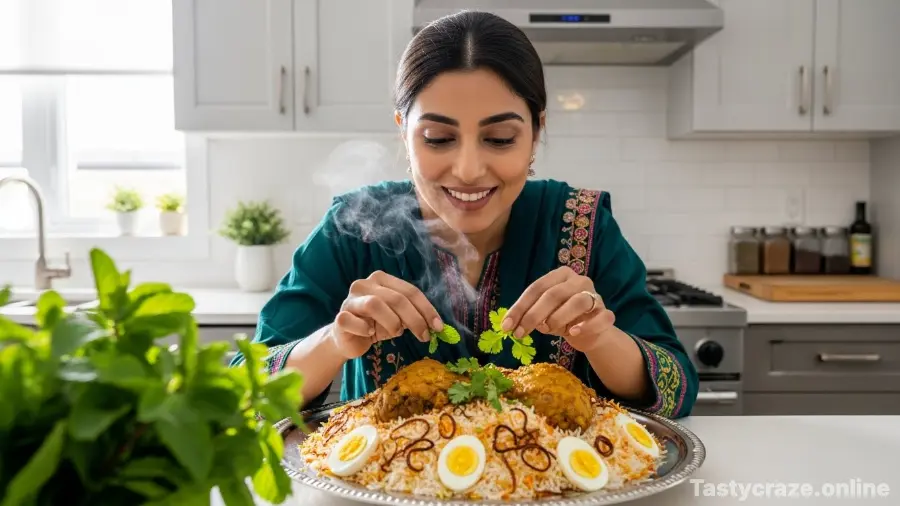
Have you ever dreamt of being able to transform your passion of cooking into a real business? A home kitchen business in Pakistan can be your golden ticket. Many people just like you have amazing recipes. They share it with their family and friends. But what if you were able to share them with everyone? And, more importantly, what if you could earn a good income from it?
The food scene in Pakistan is constantly boiling down. People love good food. Consequently, they are constantly in search of new and exciting things. This is a very big opportunity for home chefs. What you do is that you can start small, and right from your own kitchen. It requires less investment than a full restaurant. So, let’s explore the way forward to having your successful journey starting.
Why a Home Kitchen Business is a Great Idea in Pakistan
Starting from home has many advantages. First, the initial cost is very low. You already have a kitchen. There is a high likelihood that you are already equipped with most of the basic utensils. This greatly reduces the financial risk. You do not have to rent a commercial space.
What’s more, you enjoy full flexibility. You are free to decide your working hours. This is great for students, homemakers, or anybody that needs a side hustle. You are your own boss. You make the decision regarding the menu, the sale prices, and the schedule. This freedom is a big plus of many aspiring entrepreneurs. Finally, it’s a business that’s born from passion. When you love what you do, then it never feels like work.
Part 1: Laying the Foundation for Your Food Business
Before you start firing up the stove, there is some planning required. A strong foundation will ensure that your business can grow. It helps you to avoid the common pitfalls. Therefore, thinking about your goals and unique selling proposition (USP), you must.

Finding Your Niche: What Will You Sell?
The first step is determining what to cook. You can’t sell everything. It is better to specialize in a few things. This helps you build a good brand identity. Think of what you are best at cooking. What do your friends and family always ask for? That may be your starting point for a food business from home in Pakistan.
Popular Niche Ideas for Home Kitchens:
- Traditional Pakistani Food: Think Biryani, Karahi, Pulao or Haleem. These are always in demand.
- Baked Goods: Many times, baked goods like cakes, brownies, cookies, and baked goods make custom desserts very popular for different celebrations.
- Healthy & Diet-Specific Meals: Most people are health conscious now. They search for keto, gluten-free or low-calorie dishes. One place to get inspiration on how to eat clean without cutting flavor would be.
- Frozen Items: Samosas, rolls, kababs and other frozen snacks sell very well, especially around Ramadan.
- International Cuisine: You can do Italian (e.g. pasta, lasagna), Chinese or even venture into some crazy fusion food trends.
“Cooking is like love. It should be entered into with abandon or not at all.” – Harriet Van Horne
To stand out you need a unique selling point. Maybe you use an organic ingredients. Perhaps your packaging is environmentally friendly? Or maybe you are the one that offers the spiciest Karahi in town. Whatever is it, make it your trademark. This will help attract and retain customers.
Explore Your Perfect Niche
Find the right menu for your home kitchen business in Pakistan.
Classic Desi Cuisine
Biryani, Karahi, Haleem. Timeless dishes that are always in high demand across Pakistan.
Baking & Desserts
Custom cakes, brownies, and cookies. Great for celebrations and sweet cravings.
Healthy & Diet Food
Keto, salads, and low-calorie meals. A growing market with dedicated customers.
Understanding Your Target Audience
Who are you cooking for? Your target audience will determine your marketing strategy. As an example, if you’re targeting students, you should have affordable prices. You want to have your portions be big. You could even offer deals and discounts.
On the other hand, if you’re going after corporate clients then presentation becomes more important. You should pay attention to premium packaging and timely delivery. If your audience is health-conscious families you must highlight your fresh ingredients and healthy cooking methods. Knowing your customer is the key to success.
Creating a Solid Business Plan
A business plan is your roadmap to. Does not need to be a hundred odd pages long. A simple plan that takes only one page is sufficient to get started. It should give an overview of your goals and strategies. Furthermore, it helps you to remain focused.
Your plan should include:
- Your Business Name: Something that is catchy and easier to remember.
- Your Menu: What things you are going to sell.
- Pricing: How much is each item going to be?
- Target Audience: Who are you going to sell to?
- Marketing Plan: How are you going to reach your customers?
- Financials: Your estimated start-up costs, how long revenue will return on start-up costs.
Part 2: The Legal and Financial Side of Your Business
Now-a-days let us discuss the serious stuff. Dealing with the legal and financial parts properly is important. It keeps you out of trouble. It also helps to build trust with your customers. An official business will always be more credible.
How to Start a Food Business in Pakistan: Licenses and Registration
Many home chefs do not bother with this step. However, it’s very important for long term growth. If you choose to do business in Pakistan, you should consider registering your business. This makes your online food business Pakistan legitimate.

FBR Registration
First of all, you should acquire the National Tax Number (NTN): From the Federal Board of Revenue (FBR), Registering with the FBR is the important step. Well, it shows you are a serious business. You can sign up as a sole proprietor, which is the easiest way to go with a home kitchen. You can know more about how to do it on the official website of FBR.
Provincial Food Authority License
Next you need a license from your provincial food authority. For instance, if you are operating from the state of Punjab, you require license from the Punjab Food Authority (PFA). If you are in Sindh then it’s Sindh Food Authority (SFA).
These organizations guarantee food safety and hygiene. Getting their license establishes tremendous customer trust. Visit their Web sites for specific requirements. A PFA license, for instance, appears to be a demonstration of your adherence to hygiene standards.
Budgeting and Managing Your Finances
You need to know your numbers. Create a simple budget. List all of your possible expenses. This includes the cost of the ingredients, packaging, marketing and delivery costs. Also, jug in your utility bills such as gas and electricity. One of the most handy skills is to learn a few simple kitchen hacks that save time & gas.
In the beginning, make your costs low. Shops Buy ingredients in smaller amounts. As your orders increase, you can purchase in bulk from wholesale markets. Keep all track of every rupee that you spend as well as earn. You can use a simple notebook or some mobile app for this. This helps you to understand your profitability.
Part 3: Setting Up Your Kitchen for Success
Your kitchen is your head station. It has to be efficient, clean and well-equipped. You do not need to have a huge commercial kitchen. Your home kitchen doesn’t be any different from having a few adjustments. But, be careful to avoid some common mistakes in the kitchen that will affect quality.
Essential Equipment and Tools
Most likely you have most of the basics. However, you may need a few additional things.
- Good quality pots and pans: Invest in good quality cookware.
- Accurate Measuring Tools: A kitchen scales/ measure cups/spoons will be needed to have consistencies.
- Bulk Storage Containers: In order to keep your ingredients safe in storage.
- Good Knives: An easy and safe set of knives make doing prep work easier.
- Packaging Supplies: Food containers, boxes, bags and labels.
Those things that you don’t need to buy at once. Start with the essentials to your certain menu. For instance, if you are baking, a good oven and mixer are the highest priorities in your mind.

Sourcing High-Quality Ingredients
The flavor of your food is dependent on your ingredients. Always use good and quality produce. Find reliable suppliers. You can make relations with local vendors at the sabzi mandi. For meat find a relied on butcher.
Buying in bulk can help you save your money. However, this should only be done for non-perishable items. For fresh things, purchase them as required to ensure quality. Tell you customers about your fresh ingredients. It’s a great selling point for your home chef Pakistan brand.
Mastering Food Safety and Hygiene
Hygiene is a non-negotiable part of the food business. A solitary mistake can destroy your reputation. It can also make people sick. Therefore, you would need to have strict hygienic standards. The standards given by the Punjab Food Authority license are a great standard.
Key Hygiene Practices:
- Wash Your Hands: Washing the hands with soap often.
- Clean Surfaces: Keep your countertops, cutting boards, and utensils clean.
- Separate Raw and Cooked Food: Cutting board for meat and veggies should not be the same.
- Cook to the Right Temperature: Ensure food is cooked thoroughly.
- Store Food Properly: Store hot food hot and cold food cold.
Cleaning the kitchen is not a rule, it is a promise to your customer. Your dedication towards hygiene will make your home kitchen business in Pakistan unique. For guidance you can refer to some resources of organization such as the Punjab Food Authority.
Part 4: Branding and Marketing Your Home Kitchen
For you can cook the most delicious food in the world. But if nobody knows about it, you won’t get any orders. Marketing is your story-telling. It’s your method of getting customers. A strong brand makes it easy for people to remember you.
Creating a Memorable Brand Identity
Your brand is more than just your name. It’s what people get in their minds when thinking of your food.
- Choose a Name: Choose a name that is easy to remember and which relates to your food.
- Design a Logo: For your brand to look professional, come up with a simple logo. You can use free online software such as Canva.
- Brand Story: Share your love of cooking. Why did you get into this business? People love to relate with stories.
Your brand identity should be uniform. Use the same logo, colors and style across all your platforms. This develops recognition and trust.
How to Market Your Food Business on a Budget
You don’t need some crazy marketing budget. Digital marketing is your best friend. Social media platforms are powerful and often are free. They are a must for any online food business Pakistan.
Harnessing the Power of Social Media
- Facebook and Instagram: These are visual platforms and they’re perfect for food. Post good quality pictures and videos of your food Conduct polls and queries to ask questions to your audience. Learning how to market your bakery on Instagram can give you some great insights, even if you don’t sell baked goods.
- WhatsApp: Use WhatsApp Business to deal with orders. You may create a catalog and provide automated replies. You can Share your menu and Special Offers on your status.
- Food Groups: Get together food groups on Facebook in your area. Share your menu there. Many people seek home-cooked food in these groups.

High quality food photography is important. You don’t need a DSLR. Your smartphone knows how to take amazing pictures. Use natural light. Garnish your food nicely. A Good Picture Can Make People Hungry. You could even try creating short videos, like the top TikTok food trends to quit your dips.
“A recipe has no soul. You as the cook need to bring soul to the recipe.” – Thomas Keller
Pricing Your Menu for Profit
Pricing can be tricky. You don’t want to be too expensive or too cheap. A good way to set prices is to work out your costs.
- Calculate Food Cost: Being able to add up the cost of all of the ingredients for a single serving is called food cost.
- Add Other Costs: Consider costs for packaging, utilities and also your time.
- Add a Profit Margin: Add a percentage on top for your profit (usually 30-50%).
Research your competitors. See what they are asking for similar items. Your price should not only be competitive but also demonstrate your quality. Don’t be afraid to charge what you’re worth, then, especially if you’re using highest quality ingredients.
Your Quick Startup Checklist
Key steps and estimated costs for your home kitchen.
📜 Legal & Branding
LEVEL 1🍳 Kitchen & Supplies
LEVEL 2📣 Initial Marketing
LEVEL 3Part 5: Operations, Delivery, and Growth
Once the orders start coming in, you need a smooth system to handle the orders. Efficient operations are the key to keeping customers happy. This is where your food delivery business Pakistan model plays a role.
Managing Orders Effectively
You need an easy process to take orders from:
- Order Channel: Determine where to take orders. It could be WhatsApp, Instagram DM’s or a phone call.
- Order Details: Note down customer’s name, Contact number, address and order details clearly.
- Payment: Determine on how to pay. Cash on Delivery (COD) is not uncommon. You can also provide bank transfers or mobile wallets such as Easypaisa/JazzCash.
- Confirmation: Always confirm the order and the time when the product is to be delivered from the customer.
Staying organized is very important. As you grow you may want to use a simple order management app.
Packaging and Presentation
People consume with their eyes first. Your packaging is the first thing your customer sees. It should be clean, sturdy and beautiful. It must also be practical. Your food should be delivered in perfect shape.
Make sure your packaging does not spill. Use high-quality containers. You can add a branded sticker to it, or note of thanks. The difference is: this little touch goes a long way. It shows that you take care about the customer experience. For some food business, like the ones who are seeking out to explore the amazing street food gems around Lahore, simple and effective packaging is the secret to their success.

Logistics: The Challenge of Food Delivery
Getting your food to the customer on time is a big challenge. The food must be hot and fresh. You have a few options, when it comes to your food delivery business Pakistan.
- Self-Delivery: In the beginning, when the locations are nearby, you can deliver the food yourself.
- Hire a Rider: You will be able to hire your own rider when you are growing up.
- Delivery Services: The simplest choice would be to partner with a delivery service. Companies all like Bykea or Careem can get your food delivered to a fee. Foodpanda also has options for home chefs in some areas.
Choose a good delivery possibility. A late or a cold delivery can spoil the customer experience, no matter how good your food may be. This is particularly true in a city where Lahore street food defines its nightlife and the expectation of quick service is high.
Scaling Your Home Kitchen Business
Once you get your business running well, you can consider growing. Scaling up should be a gradual process.
- Expand Your Menu: Native to expanding menus that are based on customer feedback.
- Increase Capacity: You may need to invest in a larger fridge or best oven.
- Hire Help: If you’re getting way too many orders, you can try hiring help for some help with prep work or cleaning.
- Collaborate: Partner with other chefs at home or influence in the local area. For special days such as Ramadan, you can even have meal plans prepared by nutritionists.
Growth is exciting indeed, however, don’t do a lot of growing too quickly. Make certain that your quality is consistent. Your reputation is your most useful asset. For general ideas on business growth, going through resources from an organisation such as the Small and Medium Enterprises Development Authority (SMEDA) can be very beneficial.
Conclusion: Your Culinary Dream Awaits
Starting a kitchen business in the home is a rewarding path – Pakistan. It is a culmination of your love of food and the chance to be an entrepreneur. It requires hard work, dedication, and the love for feeding people. But with the correct planning and execution, you can create a successful and profitable business from your own home.
Remember to start small. Quality and consistency are the important things to focus on. Build a strong brand and to connect with your customers. The Pakistani food market is huge and is always hungry for something new and delicious. So, put on your apron, put your faith in your recipes and start cooking. Your culinary adventure is just beginning.

Frequently Asked Questions (FAQs)
1. Is a food license necessary for a home kitchen in Pakistan?
Yes, for long-time credibility and to do work legally, it’s highly recommended. It is required that you should get an NTN from FBR and a license from your provincial food authority (like PFA in Punjab).
2. How much does it cost to start a home food business?
You can start from as little as PKR 20,000 – 50,000. This includes first ingredients, packaging, and basic marketing. Your biggest advantage is that you already have a kitchen.
3. What is the best way to market my home kitchen business?
The best tool you have is social media. Use Facebook and Instagram to share excellent images of your food. Join online food groups in your area and have WhatsApp for direct communication and orders.
4. How do I price my food items?
Calculate your Cost per Dish (Ingredients, packaging, utilities): Then, add a level of profit margin (usually 30-50%). Also, look at what your local competitors are selling similar items for.
5. How can I manage food delivery?
At first, you can deliver yourself. As you grow up, you can hire a private rider or collaborate with delivery services such as Bykea or Careem to take care of your logistics.