
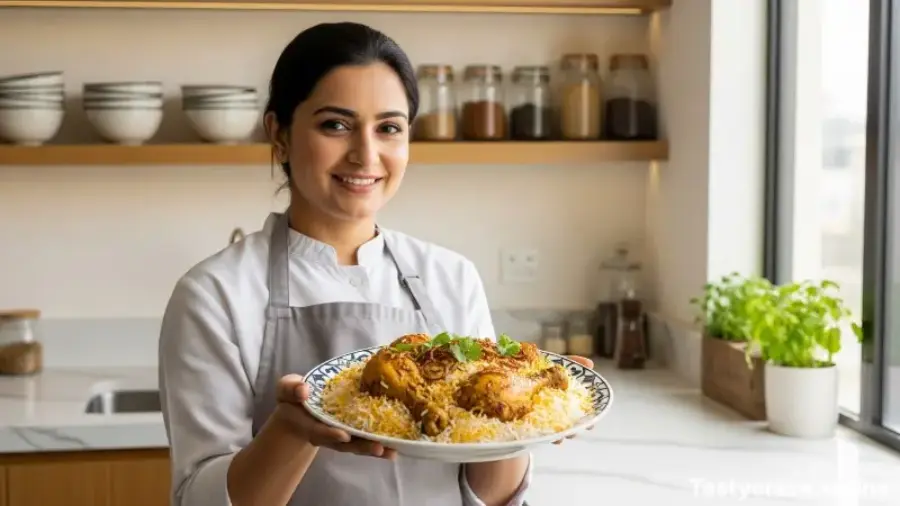
Welcome to your kitchen. It is the heart of your home. It is where the delicious meals are born. We all love making some amazing food for our families. But, Ever given a thought what is Food Safety and Hygiene? It is the most important ingredient in any recipe.
This guide will help you. We will go to all corners of kitchen safety. Therefore, you can cook with full confidence. Your food is going to not only taste great. It will also be incredibly safe for everyone to enjoy. We shall transform your kitchen into the safest place in your house.
The Unseen Dangers: Why Kitchen Hygiene Matters
You cannot see them. But they are there. We are dealing here with bacteria and germs. These little organisms produce big problem. They may cause food poisoning. This is something that we all want to avoid.
Proper Food Safety and Hygiene Keep your beloved ones protected. It avoids diseases such as salmonella and E.coli. In the case of Pakistan, we have a climate that sometimes can assist bacteria to grow faster. This further makes kitchen hygiene important for us. A clean kitchen is a sign of a happy healthy home.
The Four Pillars of Food Safety:
The consensus of experts is found in four basic principles. They refer to them as the 4 C’s of food safety: These are Cleaning, Cooking, Chilling and Cross-contamination. These are the ones that you can master and your kitchen will be transformed. Thereby making you a real food safety champion. We will discuss in detail each one of them.

Pillar 1: The Supreme Importance of Cleaning
The first thing you do is to clean. It is not all about the neat, good-looking kitchen. It is about getting yourself rid of the bad germs. This is a non-negotiable step.
Mastering Handwashing: Your Primary Tool for Food Safety
Your hands touch everything. They are the major carriers of germs in the kitchen. Therefore, perfect handwashing is a must. It is simple and yet incredible effective.
The Correct Handwashing Technique
First, you must wet your hands with clean running water. Then, apply some decent amount of soap. Lather your hands well. Be careful to soap the back of your hands. Get in between your fingers, where they are under your nails.
The 20-Second Rule
You should brush scrubs for a minimum of 20 seconds. Need a timer? Hum “Happy Birthday” song two times. Finally, rinse well and thoroughly your hands. Dry them using a clean towel. Or you can let them air dry. This simple habit goes a long way towards preventing bacterial contamination from occurring.
Sanitizing Your Kitchen Surfaces for a Germ-Free Zone
Countertops are a special haven of germs. They also hide in sinks and topping boards. Regular cleaning is good. However, sanitizing is better still. It kills the remaining germs.
You can prepare an own sanitizing solution which is really simple. For an example we can mix one teaspoon of bleach in one liter of water. Spray it on surfaces. Let it sit for a few minutes. After that, mop it with a clean cloth. This is an essential component of kitchen hygiene. For people out there wanting to change their cooking habits for the better, it’s good to consider some of these common kitchen mistakes, that people make.
Washing Produce: The Bazaar to Bowl Journey
We purchase fresh vegetables and fruits from the local bazaar. They look fresh and vibrant. However, they do have the ability to transport pesticides and dirt. They might also have germs.
Always properly clean the produce under cold running water. Vegetable brush may be used for firm items. In the case of leafy greens, immersing in clean water beforehand is required. Swish them around to get any bibby off. Learning how to eat clean without cutting flavor all starts with correct washing of ingredients.
To Wash or Not to Wash?
You should wash all the fruits and vegetables. Yes, even those with pizza peelings that you don’t like to eat. Think about melons or did you think of bananas? The knife can transfer the germs from the peel to the inside. However, you should not wash raw meat and poultry. When you wash them this may splash bacteria around your kitchen.
“The first principle of cookery is cleanliness.”
– Auguste Escoffier
🧼 The Ultimate Handwashing Checklist 🧼
Step 1: Wet
Use clean, running water (warm or cold).
Step 2: Lather
Apply soap and rub hands together vigorously.
Step 3: Scrub
For at least 20 seconds. Cover all surfaces.
Step 4: Dry
Use a clean towel or let your hands air-dry.
Pillar 2: Preventing Cross-Contamination in the Kitchen
Cross-contamination is a villainous rot in authority. It occurs when germs are transferred from one food to another. This frequently occurs with raw meat. Let’s learn how to stop it.
The Golden Rule: Keep Raw and Cooked Separate
This is the most relevant rule. Never allow raw meat, poultry or seafood to come in contact with foods meant for immediate consumption. This includes salad, fruits and cooked meals. Germs from the raw items can contaminate the cooked ones.
Color-Code Your Cutting Boards
A great way to avoid the mix-ups is different cutting boards. For example, put raw meat on a red board. One for vegetables are use green. This very simple visual cue is very effective. It is an important practice for high quality Food Safety and Hygiene.

Smart Shopping and Storage
Your efforts should begin in the grocery store. Separate raw meat into individual plastic bags. This is to keep its juices from dripping onto other items. In your refrigerator, keep the raw meat completely in the bottom shelf. This is to ensure it cannot drip down to other foods.
Utensils and Plates Matter Too
Never use the same plate or utensil for preparation of raw and cooked food. For example, don’t put cooked kebabs on the same plate as the raw ones. Always use a clean plate. This simple change is extremely important to help with foodborne illness prevention.
While we are crazy about the inventiveness of the food culture in our cities, home cooking is tougher when it comes to rules. The amazing flavours associated when exploring Lahore’s street food are undeniable. However, we need to make sure our home kitchens are safety stars. The vibrant atmosphere of Lahore’s street food nightlife is fantastic, but at home, hygiene is our top priority.
Pillar 3: The Art of Cooking to Safe Temperatures
Cooking is not only about taste and texture. It also is about destroying harmful bacteria. Heat is a potent kitchen task related to food safety and security. But you have to put it to use properly.
Why Temperature is Critical
The majority of harmful bacteria will be killed at a heat of 75°C to 100°C. Undercooked food is one of the biggest danger. This is especially true of meat, poultry and eggs. You just cannot tell often when looking. The food may appear cooked on the outside. But it may be dangerously raw on the inside.
Invest in a Food Thermometer
The greatest ally that you have in the kitchen would be a food thermometer. It is the only sure-fire method of ensuring that food is cooked to a safe internal temperature. It makes cooking easy and takes the guess-work out. This is one small investment in the health your family.

Key Temperatures to Remember:
- Chicken and Turkey (Poultry): 74°C (165°F). This is applicable to whole birds and ground meat such as chicken mince for kebabs.
- Mutton and Beef (Ground): 71°C (160°F). Your seekh kebabs and chapli kebabs should be at this temperature.
- Mutton and Beef (Steaks/Roasts): 63°C (145°F) with a rest time of 3 minutes.
- Fish: 63°C (145°F) or until the flesh is opaque.
- Leftovers and Casseroles: Reheat to 74°C (165°F). Your leftover biryani or salan used to be must be steaming hot.
When experimenting with new recipes, particularly those that you find online, safety has to be of primary concern. The internet is full of creative ideas and it is fun to try the latest TikTok food trends. Just remember to properly cook them this way or at the correct temperature.
Cooking Techniques for Pakistani Cuisine
Our traditional methods of cooking tend to be long-cooking methods. Think of Nihari or Paya. These slow-cooking methods are usually very good at killing bacteria. However, when cooking more quick-cooking dishes such as Karahi or Grilling a thermometer comes in very handy. Make sure your chicken tikka is cooked right through to the bone.
For more information on food standards and guidelines in terms of food safety practices in Pakistan, the Punjab Food Authority (PFA) is a great official resource. They strive to make food safe at the farm to your fork.
Pillar 4: The Cool Down – Proper Chilling and Storage
Proper chilling of slows down the growth of bacteria. It is used to keep your food fresh and safe for longer time. Your refrigerator is an important character in the topic of Food Safety and Hygiene.

The Two-Hour Rule
Never leave food that will spoil out for longer than two hours. This includes cooked food and groceries. In the hot weather of Pakistan, this window is only one hour long. Bacteria Feed In “Danger Zone”: Bacteria multiply quickly in the “Danger Zone.”
Understanding the “Danger Zone”
The Danger Zone is a range from 5°C to 60°C. In this zone, bacteria are able to reproduce at a minimal rate that can see them doubling in just 20 minutes. Therefore, your objective is to keep cold food cold (below 5°C) and hot food hot (above 60°C).
🌡️ The Temperature Danger Zone 🌡️
Below 5°C
(Safe)
DANGER ZONE
(Rapid Bacteria Growth)
Above 60°C
(Safe)
Always keep perishable food below 5°C or above 60°C to ensure safety.
Refrigerator and Freezer Tips
Your fridge temperature should be at a temperature of 4°C or lower. Your freezer should be at -18°C. Don’t overfill your fridge. Cold air needs to circulate in order to keep food safe. This is an inherent component of the best food storage guidelines.
When you cook meals ahead of time, such as Iftar, chilling them fast is of vital importance. Planning for healthy meals is easier when good storage practices are used. You can find some great ideas in our guide nutritionist-approved Ramadan meal plans.
Thawing Food Safely
Never thaw food at room temperature on the kitchen counter. It is possible to thaw by three safe ways:
- In the Refrigerator: This is the safest way. It takes time, so plan ahead.
- In Cold Water: Store food and/or mercury in a leak-proof bag. Submerge it in cold water. Change the water for every 30 minutes.
- In the Microwave: Use the defrost setting on it. Cook the food right after it is thawed.
Special Considerations for Pakistani Kitchens
Our kitchens are afflicted with difficulties and delectations. Let’s fix some specific local issues for your Food Safety and Hygiene.
Dealing with Load-Shedding (Power Outages)
Power outages are potentially a big issue for refrigerator safety. Here’s what you can do:
- Keep the fridges and freezer doors closed as close as possible.
- If a freezer is fully loaded it will maintain temperature for about 48 hours. A half for 24 hrs or so is a half-full one.
- Also use appliance temperature controllers in your refrigerator and freezer to determine whether there is power in your home back to a temperature suitable for putting food inside these devices.
- If food has been above 5°C for more than two hours, then it’s best to throw them away.
“There’s two-thirds of every health that is hygiene.”
– Proverb
Sourcing Meat and Dairy
Many of us purchase meat from a local butcher. Make sure that your butcher has a clean shop. The meat should be stored in a refrigerated case. The expiry dates of milk or yogurt (dahi) should be observed while purchasing. Hero milk option is to take the pasteurized milk.

Storing Spices (Masalas)
Our masalas are precious. To store them fresh and safe, are storing them in containers with adequate air circulation. Keep them in a cool, dark place. Moisture: moisture can cause the growth of mold. Even then use a dry spoon to scoop them out. This is a simple, yet useful tip on our list of time-saving kitchen hacks.
From Home Chef to Small Business Owner
Many amazing home chefs in Pakistan turn to make a business out of their passion. If you sell food from home, Food Safety and Hygiene isn’t a choice; it’s a legal and ethical one. Your customers trust you.
You will have to conform to all the rules in this guide, and more. Keep detailed records of your suppliers. Keep equipment under no circumstances except spores. It is also essential that the product is properly packaged and labeled.
If you are thinking of selling your baked goods, for example, presentation is important. Learning how to market your bakery on Instagram can help you reach customers, but your reputation for safety will keep your customers.
For a better insight on foodborne diseases and their prevention in Pakistan, you can visit the website of National Institute of Health (NIH) Pakistan. It is a valuable public health information.
Advanced Food Safety Topics
Once you develop a good grasp of the fundamentals you can advance to the more complex subjects. This will further up your restaurant kitchen’s safety standards.
Understanding Expiration Dates
You are able to find “Use By” and “Best Before” on packaging very frequently.
- “Use By” is about safety. You should not consume food after this date.
- “Best Before” is about quality. The food it still safe to eat after this date and its flavor or texture might decline.
The Problem with Pests
Pests such as cockroaches and rodents can spread a number of diseases. Keep your kitchen clean. Don’t leave food scraps out. Air-tight containers should be used for food storage. Seal any cracks or holes in your walls and floors.
Handling Allergies
The problem is that if you have a family member with a food allergy, you will have to be extra careful. Use separate utensils and chopping boards for their food. This avoids cross-contact of allergens.

The world of cooking is ever-changing, with exciting new ideas being brought up. We see the rise of fusion food trends all the time. As you experiment with these new dishes you should always use these basic safety principles.
The government of Pakistan also provides a plethora of information about Pakistan for the citizens. You can often find tips on health and wellness on the official Government of Pakistan portal.
“Good food ends with good talk.”
– Geoffrey Neighor
Your Commitment to a Safer Kitchen
Food Safety and Hygiene is a Journey. It is by developing good habits. It is about being conscious about it each time you cook. By following this guide you are making a very powerful commitment. A commitment to the health and well being of your family.
Your kitchen will be a source of joy and not worry. Every meal you provide will be evidence of your love. You are not just a home chef. You are the protectorate of the health of your family. Please cook safely, and also cook with love.
Frequently Asked Questions (FAQs):
1. How long should I wash my hands before cooking?
You should not only freed hands on time, but also rub them for a full 20 seconds with soap and water. This is a sufficient amount of time to get rid of most germs that will cause harmful effects.
2. What is the temperature “Danger Zone” for food?
The Danger Zone is the region from 5°C to 60°C. In this range bacteria grows very fast. This zone: You should not keep perishable food in this zone.
3. Is it safe to thaw frozen meat on the kitchen counter?
No, it is not safe. Thaw meat in the refrigerator, in cold water or in a microwave oven. Thawing in the counter enables bacteria to multiply on outer surfaces.
4. How can I tell if my chicken is cooked without a thermometer?
The safest way is the one with a thermometer (74°C). If you don’t have one then use your piercing on the thickest part. The juices should be clear and not pink. The meat must be white, not pink in color.
5. How should I store raw meat in the fridge?
Store raw meat, poultry and seafood either in closed containers or bags that are not leaky. Always keep them on the bottom shelf of the refrigerator to keep juices from dripping on the other food.